Connect with us

Hi, what are you looking for?

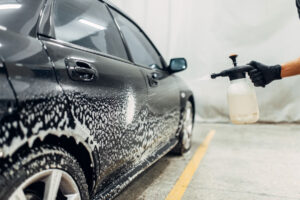
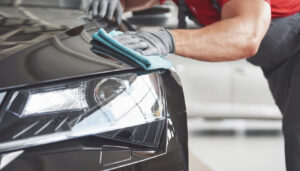
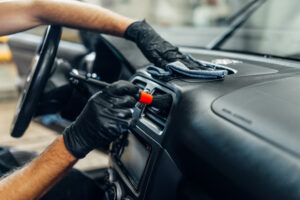
Save Fuel by Washing Your Car

Washing your car is the most basic form of maintenance that is often overlooked when it comes to car care. The premise is that if you take care of your car it will take care of you, and a regular wash is beneficial. Although it is possible to do it yourself, using a car wash adds more to car care and ensures it is done thoroughly. Below are 5 benefits of using a car wash.


1
Protect the Paint

With everyday driving outside you car gets hit with a lot of debris, dirt, sand, dust, bird droppings, bugs, grime and salt. Over time these deposits can have a negative effect on the paint job if left untreated. Washing your car regularly eliminates these paint damaging deposits ensuring the paint lasts longer keeping your car looking good. If you see dirt on your car wash it away.


2
Improves Fuel Efficiency

You are probably thinking that this sounds absurd. How does washing your car improve fuel efficiency? Well, a layer of dirt on your car increases drag which causes it to use more fuel. The air moves much smoother around a clean car than one that has dirt on it.


3
Personal Pride, Well Being and Feeling Good

We all know that being in a clean, fresh environment is very beneficial for our well being. A car is no exception. A clean car gives us a sense of pride, well being and all round general good feeling when we are driving. When we feel good we are calmer and more aware of our surroundings, thereby making us better drivers.


4
Maintains Resale Value

We know you love your car but one day you will sell it to purchase a new one. At that moment the resale value will come into play. Washing your car regularly is an inexpensive way to keep up its appearance and overall aesthetic appeal. This will bode well for you when it comes time to sell as your resale value will increase.


5
Saves Time and Effort

Taking your car to the car wash saves you time and effort as you can leave your car at the wash and run other errands in that time. Many car washes are conveniently located in or near malls or city centres. This enables you to schedule more than one thing during your car wash. 

ENGEN – With Us You are Number One

ENGEN is an African based energy group. Their main focus is refining and marketing petroleum, lubricants, functional fluids, chemical and retail convenience stores. ENGEN operates through a network of service stations across 7 countries in Sub-Saharan Africa and Indian Ocean Islands. They also export their products across international territories.

They have a history that goes back to 1881 but have been trading as ENGEN since 1993. Their business has grown from grass roots level in South Africa to include manufacturing plants, distribution networks and retail service stations.

ENGEN’s core function is the refining of crude oil, distribution of refined petroleum products and provision of convenience services.

They have 1280 service stations and hundreds of commercial customers in Sub-Saharan Africa. They are committed to providing impeccable customer service, living up to their promise of “With us you are Number One”.


Quickshop – Convenience at All Hours

Since the early 1990s the Engen Quickshop has become a staple at every Engen service station, offering convenience to so many 24 hours a day. The introduction of Quickshop revolutionised the petroleum sector in South Africa, making petrol stations more than just a place to fill up on fuel, air your tyres and clean your windscreen.

Customer service, constant innovation and convenience are the key drivers to the Quickshop concept, expanding into fast food outlets, sit down eating and an all round pit stop to refresh yourself before continuing on your journey.

5 Things to Consider When Choosing Car Insurance

A shocking stat in South Africa, according to the Automobile Association, is that between 65% to 70% of the 11.4 million registered vehicles on our roads are uninsured. One of the more prominent arguments is that vehicle insurance is too expensive. However, accidents do occur and there are great financial applications in driving without insurance. Many are weighing up their options to find what works best for them. If you are looking for vehicle insurance keep the below in mind.


1
All The Costs

For most people price is the most important factor. However, there are many factors that go into insurance pricing, including the excess structure, non standard items on a car and also the way one drives. Know yourself and your situation. Weigh out what non standard items you can do without. Some insurers offer money back depending on the way you drive. Do you need car hire should you be without a car for a while? All these factors determine cost as well so do a proper analysis before accepting some insurance features.


2
Lower Premium vs Lower Excess

Which is more important? Lower premiums or lower excess? These costs are directly determined by each other and choosing one or the other depends highly on your financial affordability. If you have substantial savings the opting for a lower premium may be the way to go as you would have money to cover the excess should you be in an accident. However, if your financial situation is not the best it might be better opting for higher monthly premiums so that you won’t have to pay a high excess should you need to.


3
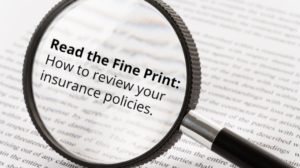
The Fine Print

Technology has made it easy for us to gather numerous quotes in a short space of time. However, it isn’t always clear what exactly we are getting in our policies as most details are not offered. A good broker could help you navigate the myriad of quotations and details you need to know regarding what is best for you. However, at the end of the day it is your choice as to what to accept and you should always ask yourself, “WHAT IS BEST FOR ME?”


4
Shopping Around

The mistake to avoid is only getting one insurance quote and settling on it since it seems to have everything you need. The insurance industry is highly competitive and companies will try to differentiate between their packages to stand out in the market. Get a minimum of three quotes and compare before you make a decision. Shop around and find out what the best is for you.


5
Other Factors

Other factors that can bring down your insurance premiums are market value, age of the vehicle, added extras, driver age, vehicle storage and usage, secondary drivers and driver behaviour. Insurance companies can push down your premiums if you are parked in a secure location day and night, fitting a tracking device and ensuring the right market value is recorded by the insurance company.

7 Common Reasons that the Check Engine Light is On

A check engine light being on doesn’t have to be disastrous. However, it is best to be safe and get a diagnostics done. Doing this can prevent more expensive repairs being done in the future. Below are 7 reasons that a check engine light could be on.


1
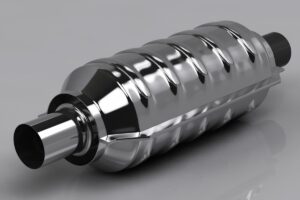
Faulty Catalytic Converter

A catalytic converter turns carbon monoxide into a less polluting emission. Indications of problems are decreased acceleration and dark exhaust smoke.


2
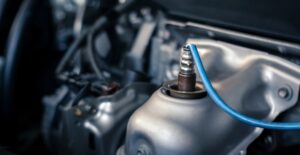
Failing Oxygen Sensor

Oxygen sensors monitor the amount of unburned oxygen in the exhaust system. Drop in fuel mileage is an indication of a failing oxygen sensor leading to catalytic converter trouble.


3
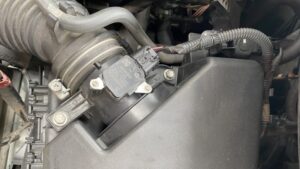
Bad Mass Air Flow Sensor

Mass air flow sensors monitor the amount of incoming air and determine how much fuel to inject with it. Your engine stalling after you start it is one indication of mass air flow sensor trouble.


4
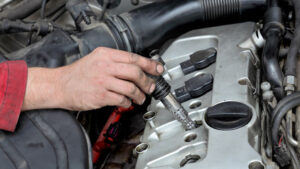
Failing Ignition Coil

For your vehicle to start up a spark needs to be generated. The ignition coil plays a central role in generating this spark. Misfiring and power loss are some indications of a failing engine coil.


5
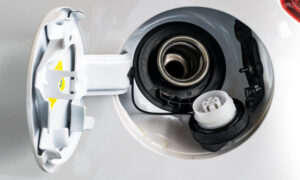
Loose/Missing Fuel Cap

Your check engine light could be on because of a loose or missing fuel cap. It can also cause fuel to evaporate before you use it.


6
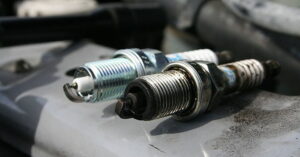
Failing Spark Plugs

Spark plug failure can cause a decrease in performance fuel efficiency. Generally older vehicle spark plugs should be replaced after 48000km and vehicles manufactured after 2000 should be replaced after 160 000km.


7
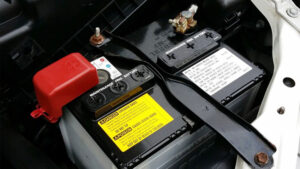
Bad Battery/Charging System

A failing battery can cause low voltage at the computer, which can consequently cause the check engine light to turn on.

6 Important Reasons to Keep Up with Oil Changes

One of the best things you can do for your vehicle is to keep it running on the proper amount of clean oil. Check your vehicle manual for the proper guidelines but generally conventional oil should be changed every 4 800km and synthetic oil should be changed every 12 000km. Below are 6 reasons to keep up with oil change.


1
Proper Lubrication

Sufficient lubrication prevents metal on metal contact from causing significant engine trouble.


2
Eliminate Engine Gunk

Contaminants give engine oil a muddy consistency. They can be removed when you drain the engine oil. Fuel mileage and power can be increased when you remove engine gunk.


3
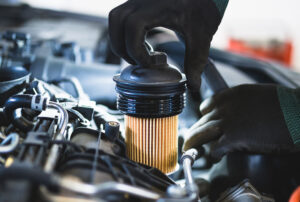
New Oil Filter

A clogged oil filter prevents oil from sufficiently flowing through the engine. This can lead to friction which can cause major problems.


4
Restore Engine Power

Clean oil enables the vehicle to produce an optimal amount of power. This optimises fuel efficiency and allows the vehicle to move forward more easily.


5
Identification of Emerging Issues

During the oil change other issues can be identified and sorted out before they become major issues.


6
Regulate Engine Temperature

The correct level of clean oil can help your engine maintain optimal temperature.

9 Car Maintenance Tips

Owning and driving a car comes with a lot of responsibility. It is imperative to know basic maintenance tips that can help you out in an emergency and/or save you money. Below are 9 car maintenance tips.

  1. Acquaint yourself with your owner’s manual.
  2. Check your tyres monthly.
  3. Change your oil and oil filter on schedule.
  4. Replace the air filter.
  5. Inspect all other fluids.
  6. Examine belts and hoses.
  7. Always listen and feel for brake issues.
  8. Replace wiper blades as needed.
  9. Remove battery corrosion.

Safety Tests on Budget Cars in South Africa

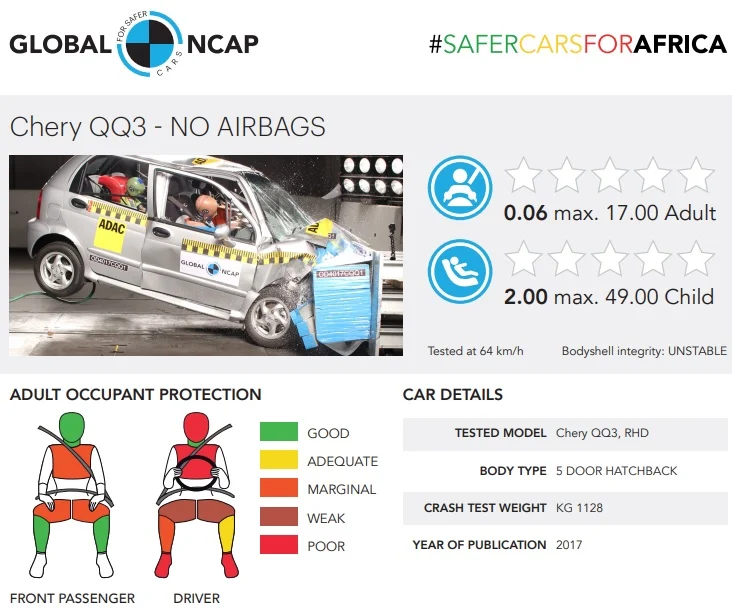
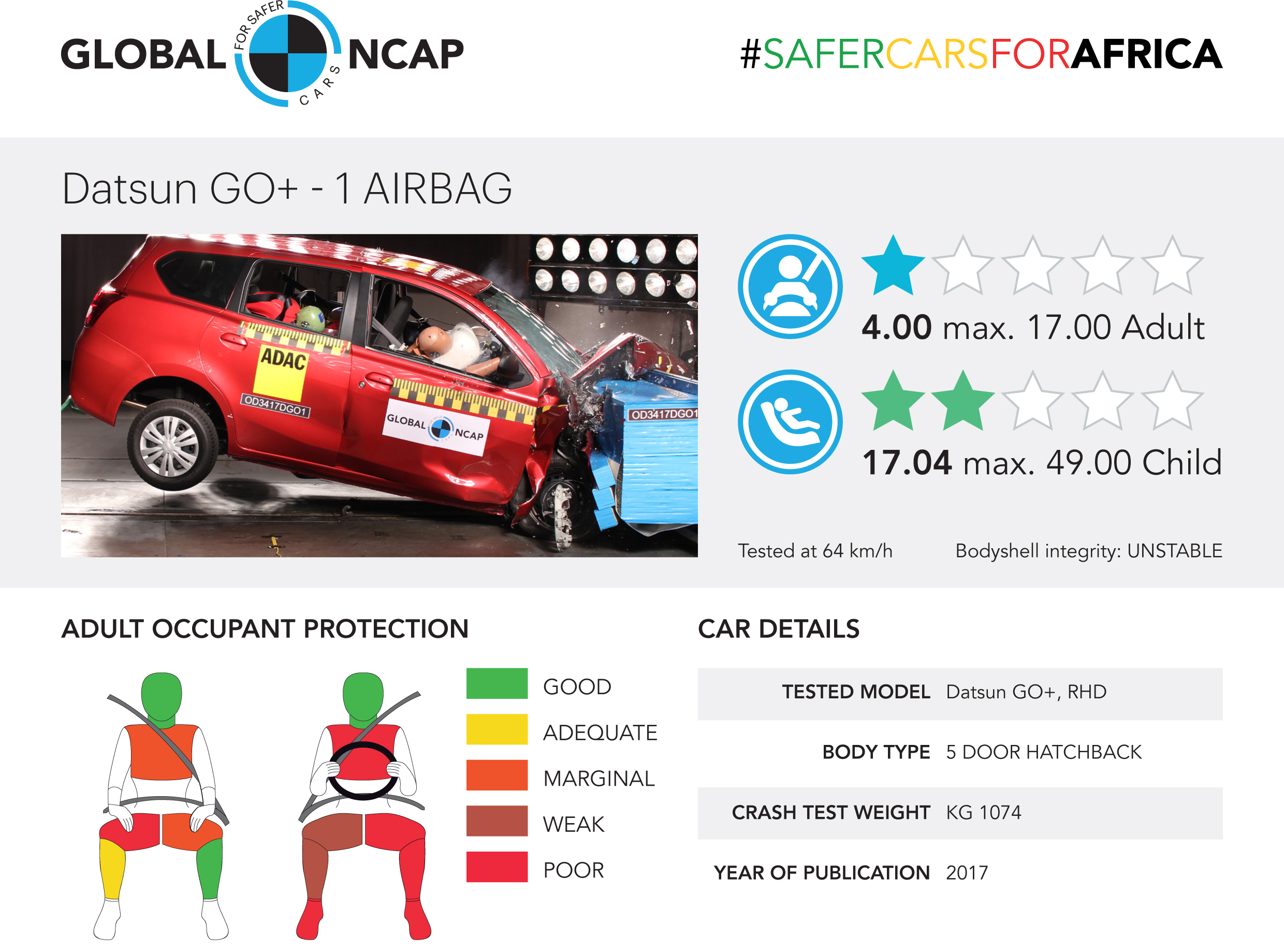
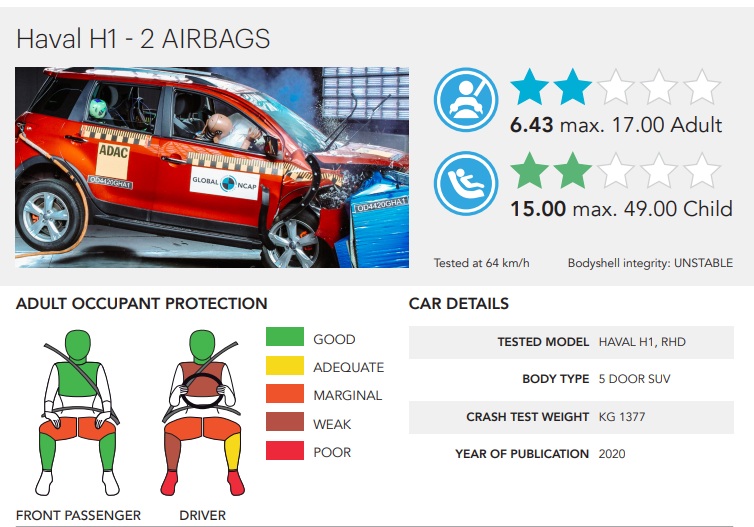
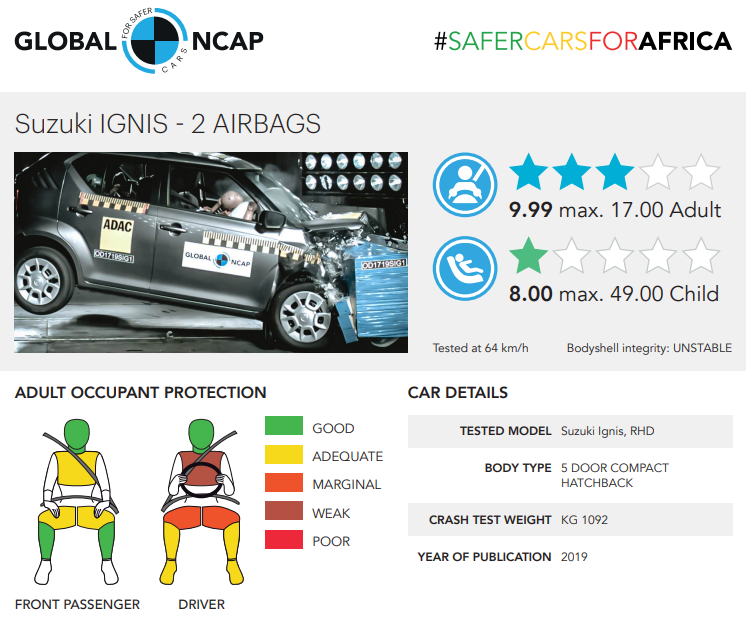
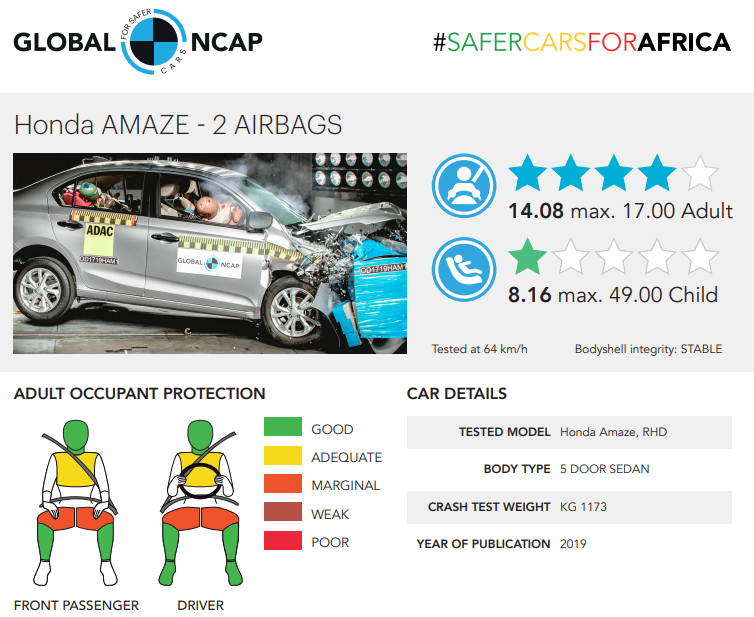
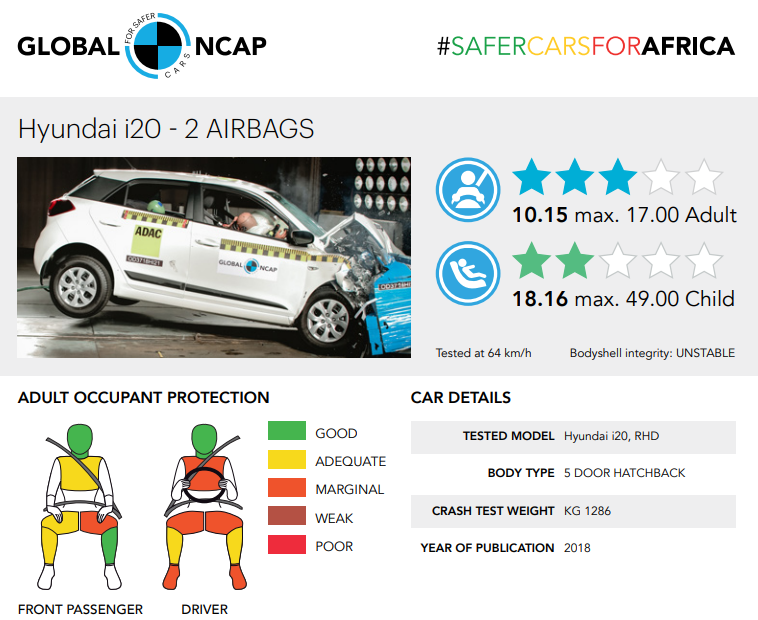
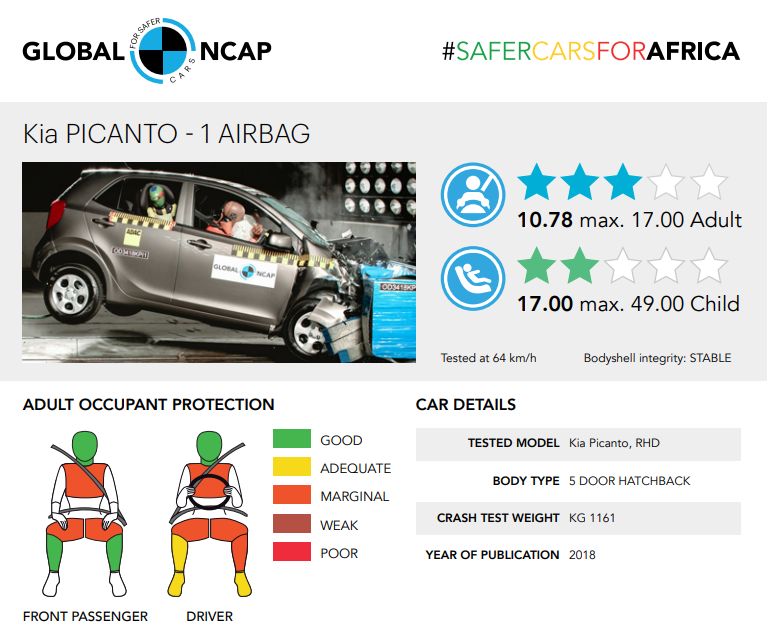
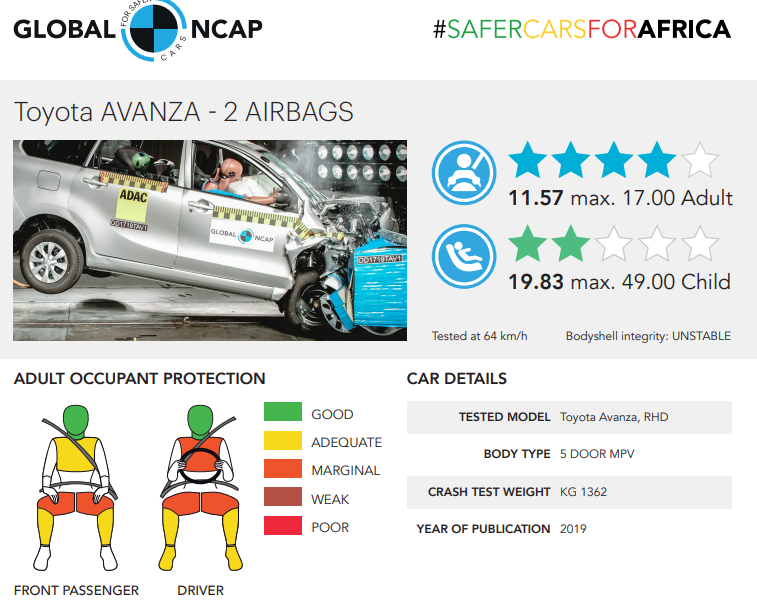
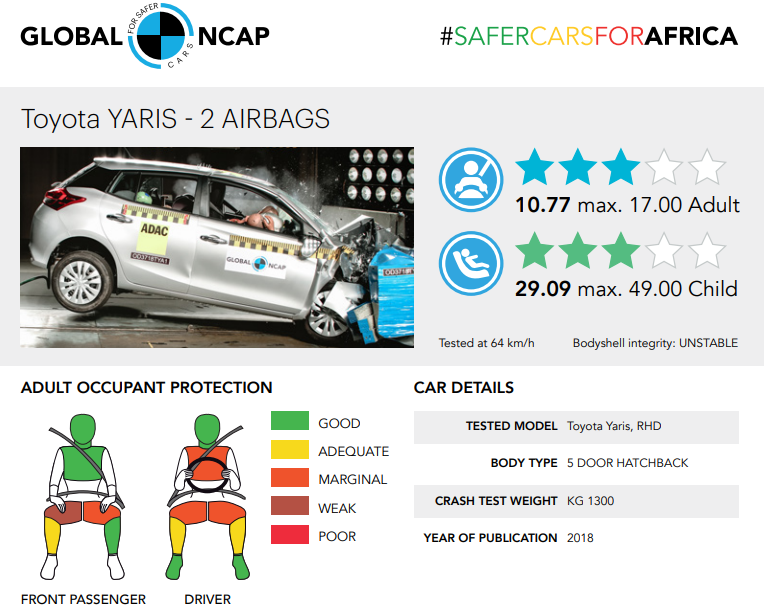
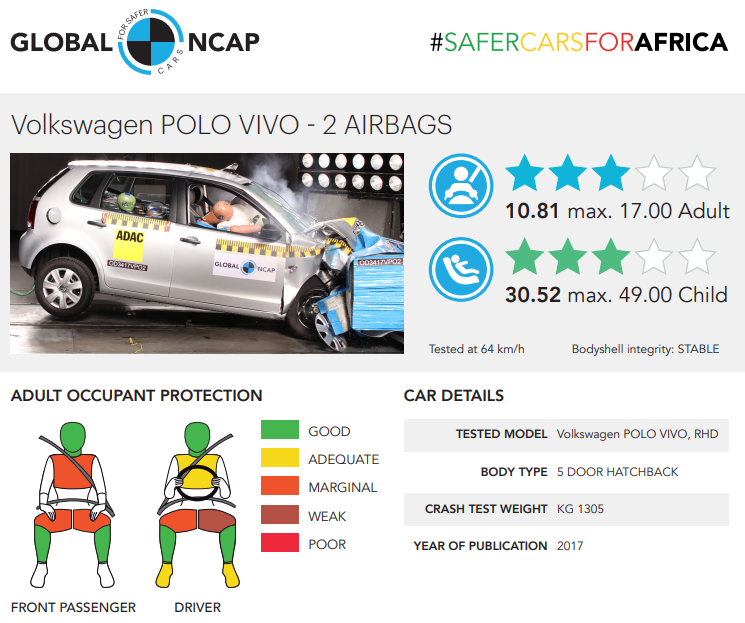
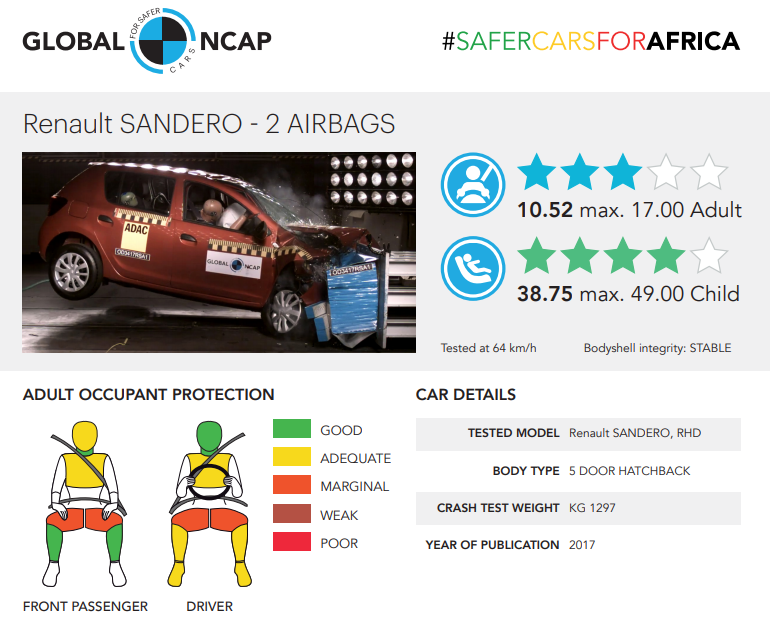
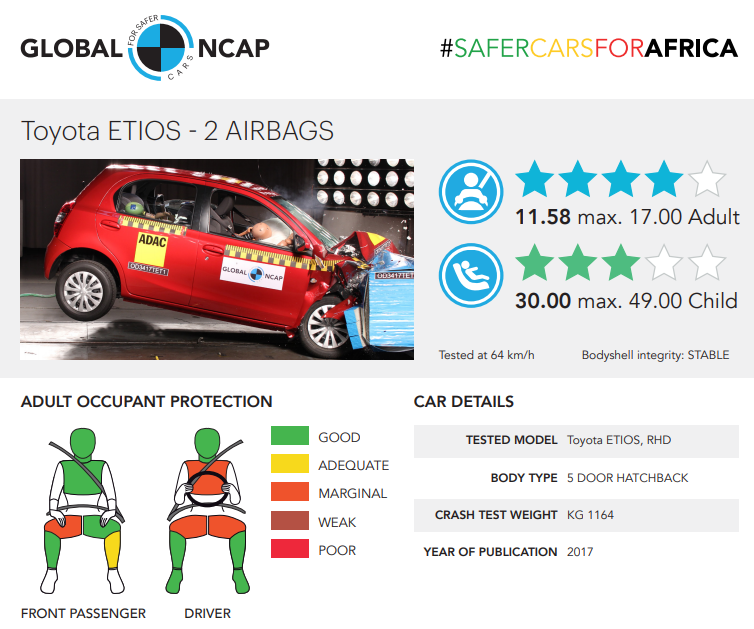
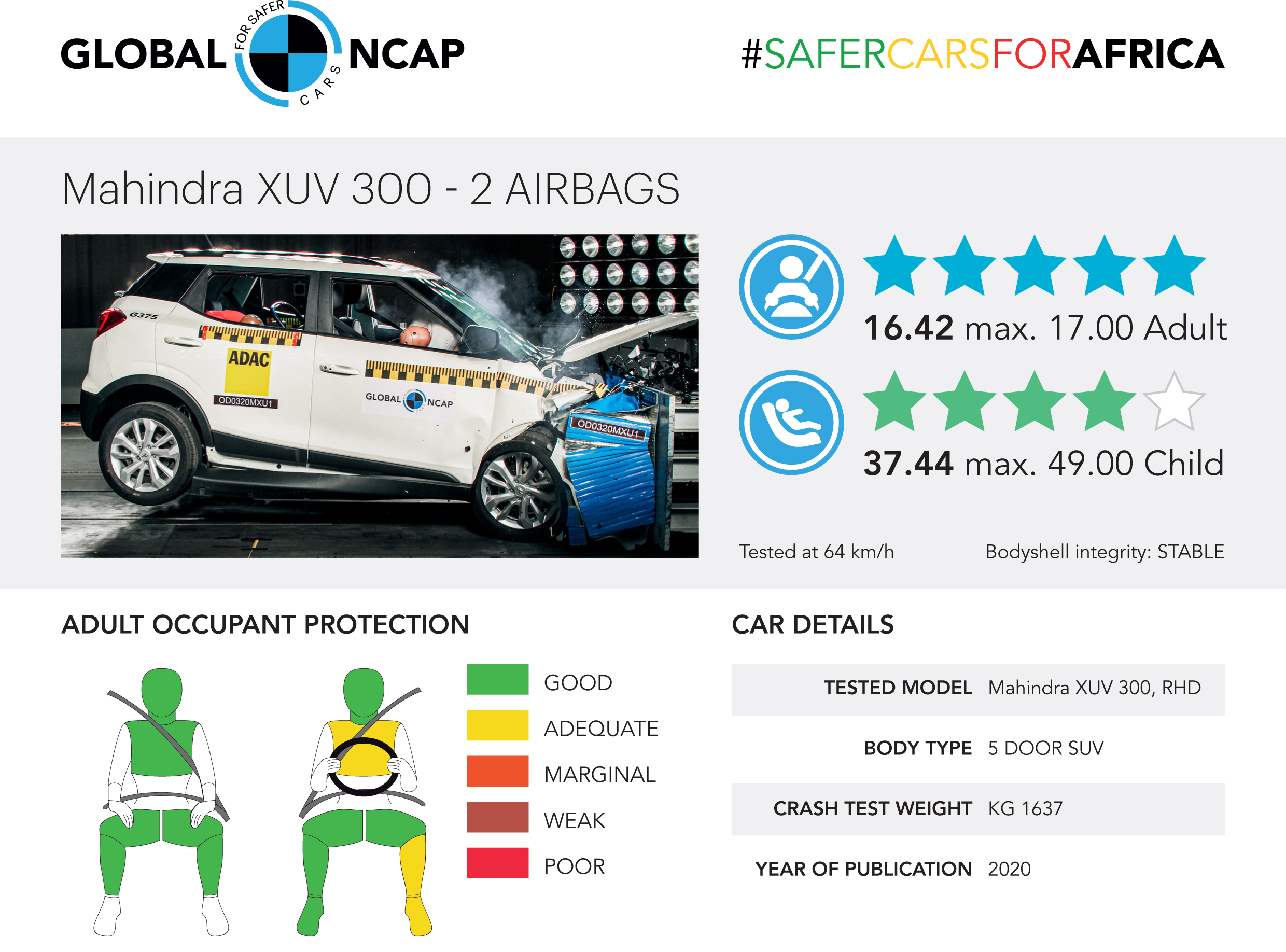
Up until 2020 the Global NCAP and Automobile Association tested 16 cars across a range of brands for safety, focusing primarily on budget and best selling models. The test conducted focused on the cheapest variant of those models. Below is a list of cars ranging from least safe to most safe with star ratings. Charts are courtesy of Global NCAP. To view the full reports, videos and charts go to Global NCAP.


1
Chery QQ3 – No Airbags
  • Tested model: Chery QQ3
  • Body type: 5 Door Hatchback
  • Year of publication: 2017


2
Great Wall Steed 5 – No Airbags

  • Tested model: Great Wall Steed 5
  • Body type: 4 Door Pick Up
  • Year of publication: 2020


3
Nissan NP300 Hardbody – 2 Airbags
  • Tested model: Nissan P300 Hardbody
  • Body type: 4 Door Pick-Up
  • Year of publication: 2018


4
Datsun GO+ – 1 Airbag
  • Tested model: Datsun GO+, RHD
  • Body type: 5 Door Hatchback
  • Year of publication: 2017


5
Haval H1 – 2 Airbags
  • Tested model: Haval H1
  • Body type: 5 Door SUV
  • Year of publication: 2020


6
Renault Kwid – 2 Airbags
  • Tested model: Renault Kwid
  • Body type: 5 Door Compact
  • Year of publication: 2020


7
Suzuki Ignis – 2 Airbags
  • Tested model: Suzuki Ignis
  • Body type: 5 Door Compact Hatchback
  • Year of publication: 2019


8
Honda Amaze – 2 Airbags
  • Tested model: Honda Amaze
  • Body type: 5 Door Sedan
  • Year of publication: 2019


9
Hyundai i20 – 2 Airbags
  • Tested model: Hyundai i20
  • Body type: 5 Door Hatchback
  • Year of publication: 2018


10
Kia Picanto – 1 Airbag
  • Tested model: Kia Picanto
  • Body type: 5 Door Hatchback
  • Year of publication: 2018


11
Toyota Avanza – 2 Airbags
  • Tested model: Toyota Avanza
  • Body type: 5 Door MPV
  • Year of publication: 2019


12
Toyota Yaris – 2 Airbags
  • Tested model: Toyota Yaris, RHD
  • Body type: 5 Door Hatchback
  • Year of publication: 2018


13
Volkswagen Polo Vivo – 2 Airbags
  • Tested model: Volkswagen Polo Vivo
  • Body type: 5 Door Hatchback
  • Year of publication: 2017


14
Renault Sandero – 2 Airbags
  • Tested model: Renault Sandero
  • Body type: 5 Door Hatchback
  • Year of publication: 2017


15
Toyota Etios – 2 Airbags
  • Tested model: Toyota Etios
  • Body type: 5 Door Hatchback
  • Year of publication: 2017


16
Mahindra XUV 300 – 2 Airbags
  • Tested model: Mahindra XUV 300, RHD
  • Body type: 5 Door SUV
  • Year of publication: 2020


Benefits of a Maintenance Plan

Our cars are machines and the more they work and the older they get the more their parts get worn out through wear and tear. Having a maintenance plan for your car covers you for these unwanted repair and replacement costs.
 
Generally, the benefits of a maintenance plan include:
1. Peace of mind that your car services are taken care of
2. You don’t have to worry about inflation, parts or labour cost increases.
3. Fixed, affordable monthly cost for scheduled maintenance.
4. Your car can be serviced at your vehicles manufacture brand or any other approved service centre.
5. Cover of specific wear-and-tear items.
6. Qualified technicians doing the repairs.

Vehicle Maintenance: 10 Things Every Vehicle Owner Should Know

How often do you think of the inner workings of your vehicle? If you are not an automotive engineer, I am guessing not that often. Below are 10 basic things drivers should know if they want to maintain their vehicles themselves. These include changing a tyre, checking motor oil, checking tyre pressure along with others.

DISCLAIMER: PLEASE CONSULT YOUR MECHANIC OR SERVICE CENTRE BEFORE ATTEMPTING ANY KIND OF CAR MAINTENANCE.


1
Adding Windshield Wiper Fluid
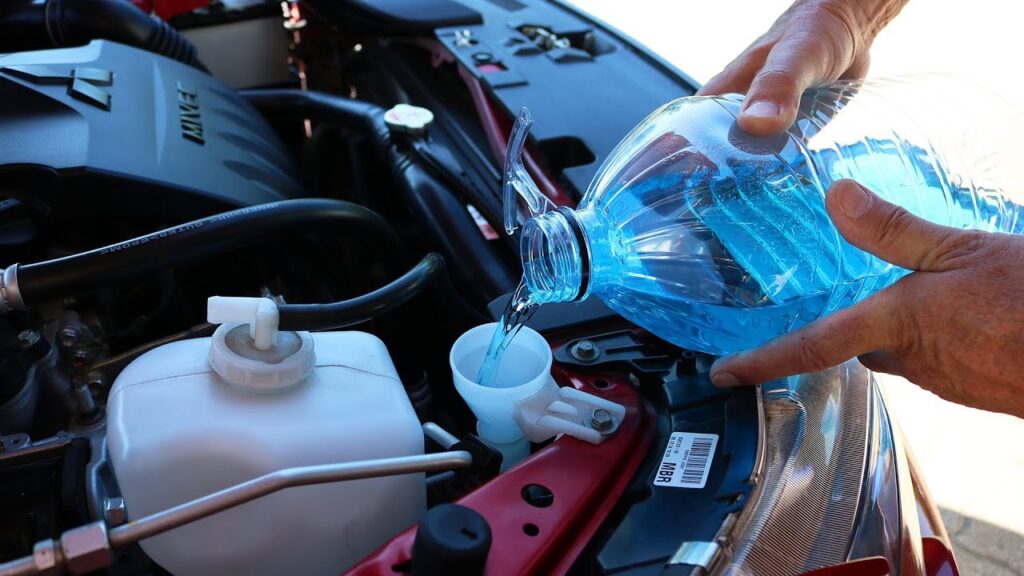
One of the most important aspects of driving is the ability to see the road clearly, especially on days of low visibility, rain, mist or fog. During these times your windshield wipers must work at optimum level. Adding windshield wiper fluid will ensure your visibility is perfect so that your driving is not hindered. Just open the bonnet and look for the cap with the windshield wiper on it. Pop the cap and add your fluid. It’s that easy.


2
Replacing Windshield Wipers
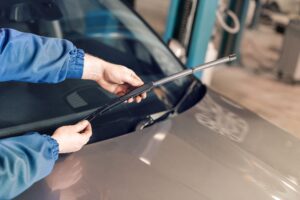
Replacing your windshield wipers is fairly easy. They should be replaced if the blades are smearing and no longer wiping. There’s a button at the end of the arm you push to release the blade or slide it into a hook at the end of the arm. If you are having issues please consult the dealer where you purchased your new wiper blades.


3
Checking Motor Oil
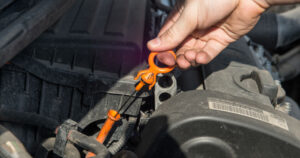
An important component of your vehicle is the oil. it is super easy to check. Ensure your vehicle is on an even service. Wait a few minutes to let the oil settle as it may not have fully drained into the pan. Pull the dipstick out and wipe it off with a rag or paper towel. Push the dipstick back in and pull it out again and check the reading. If it is in between “Low” and “Full” you are good to go. 


4
Adding Motor Oil
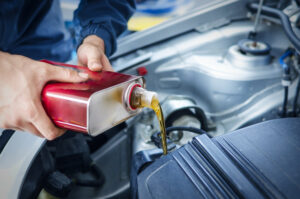
If your motor oil is low it is fairly easy to fill. Ensure that the oil is the right viscosity for your vehicle. The place where you buy your oil should advise you. Locate and open the filler cap under your bonnet. Crack open the oil can and fill in small increments until you reach the optimal amount. Be careful not to add too much oil as this is not good for your vehicle. Care engines usually 4 or 5 quarts but it does vary.


5
Checking Tyre Pressure
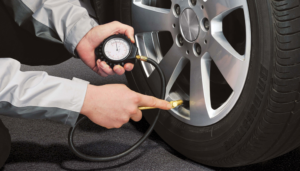
 

Checking the tyre pressure is another fairly simple task. Remove the valve cap and stick a gauge firmly over the valve. Ensure it sits firmly so that there are no leaks. It is best to maintain the factory recommended pressure settings on your tyres. These settings can be found on the driver’s side door panel. After the reading inflate or deflate as required.


6
Changing a Flat Tyre
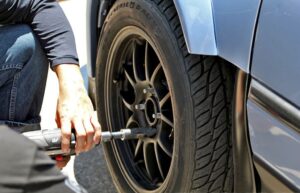
Being able to change a flat tyre is very important for any driver. This skill will come in handy should you have a flat tyre and you cannot get roadside assistance or assistance takes too long. Ensure that you have an inflated spare tyre, jack and wheel spanner in your boot. To replace a flat tyre ensure your car is stationary on a flat service. Using the wheel spanner loosen the nuts on the flat tyre. Place the jack on the side of the car where the flat is and raise car until you can remove the flat tyre. Replace the flat with the spare and screw in the nuts. Next release the jack and tighten the nuts. Ensure that they are tight as they should be. You are now good to go.


7
Jump Starting a Car
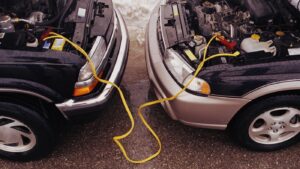
Every driver should be able to jump start a car. This is helpful should your battery be drained for whatever reason. You will require a set of jumper cables, a portable charger or another vehicle. The most important thing to remember is DO NOT mix up the leads. The positive end must go to the positive terminal on the battery and the negative to the negative terminal. The red end is positive and the black is negative. Connect the terminals from the powered car or battery charger to the flattened battery. Turn on the powered car or battery charger. Give it a minute or two then start the car with the flattened battery. The car should now turn on.


8
Replacing the Air Filter
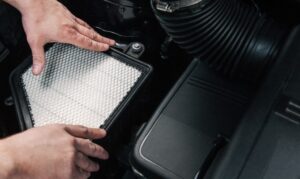
An air filter that is clogged will hinder the flow of air and reduce the engine output. The location of the air filter varies from vehicle to vehicle but it is usually under a rectangular housing with the lid held in place with screws or clips. Just pop it off and gain access to the filter, The new filter should drop right in place but make sure it is oriented the right way.


9
Inspecting the Serpentine Belt
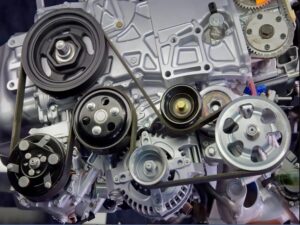
As a driver you should be able to inspect the serpentine belt provided it is not hidden under many layers of plastic shrouds. Check the belt for abrasions or corrosion. Should there be any corrosion or abrasion it is recommended that you take it in to your service centre for a replacement. If you can replace it on your own, you are a legend.


10
Checking the Cooling System
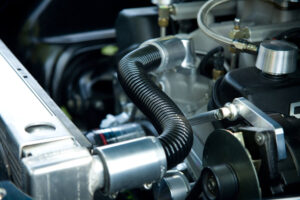
A critically important component of your vehicle is its cooling system. Depending on where you live it has to deal with erratic temperatures regularly. Look out of chafing, cracking, swelling or weeping hoses. If they burst you will be left stranded. Ensure there is enough coolant in the overflow reservoir. Add more if require. The system is overdue for a flush if the antifreeze is discoloured or rusty.

Shopping cart
There are no products in the cart!
Continue shopping
0